

The precision of our
Spin galvanized protection
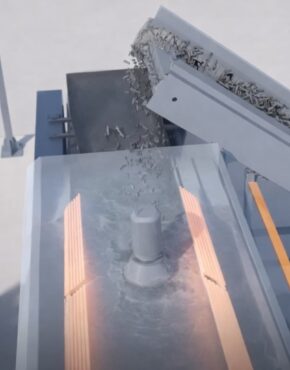
Spin galvanizing is a hot-dip method with small steel components (less than 3kg) as its target, including nuts, bolts, washers, clamps, anchors, elbows, fittings, and base plates.
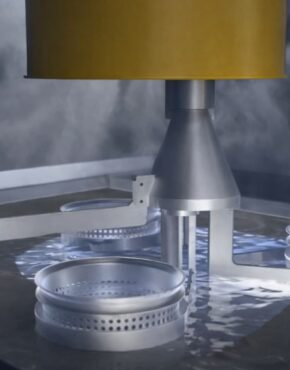
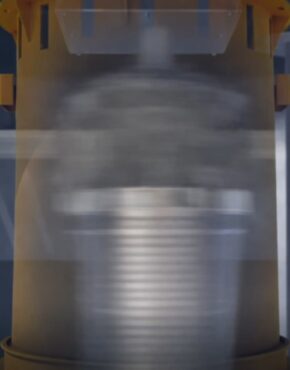
Following robotic immersion of molten zinc, components are moved to a perforated spin basket and rotated at high RPM to elute the excess zinc- leaving a smooth and uniform coating and clean and thread-safe surfaces that match the requirements of ASTM A123 / A153.
Contact us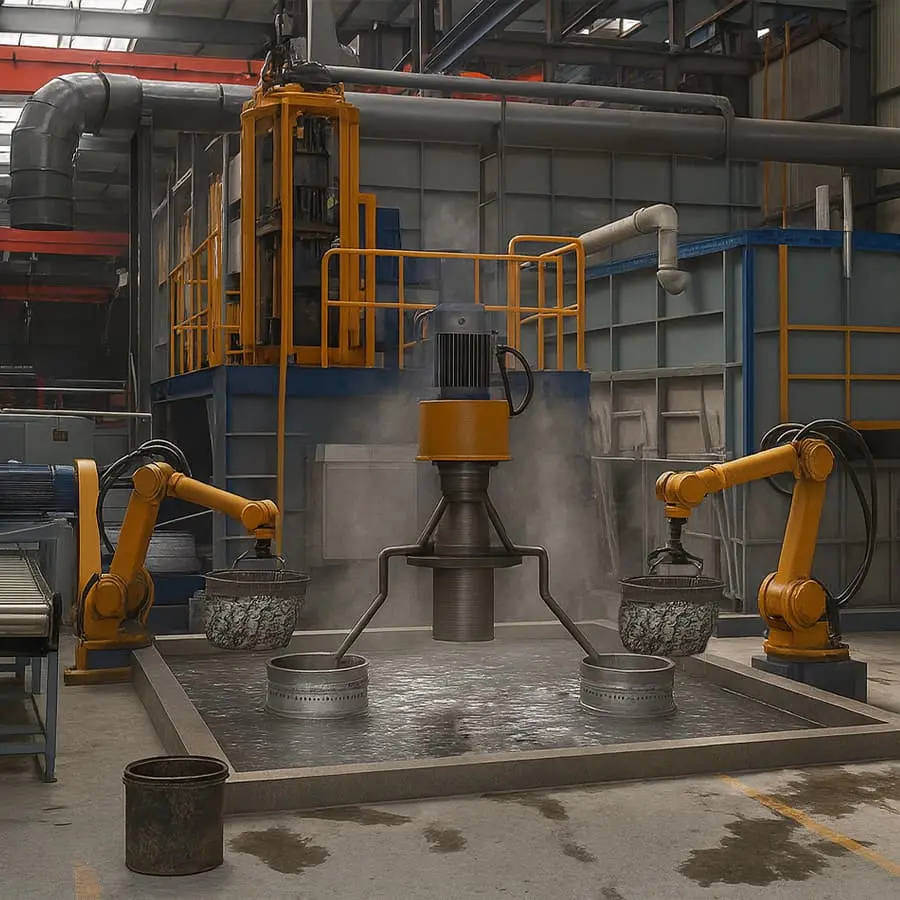
Why is this process better?
The process offers better protection, exact thickness of coating, and finishes - ideal in small, precise parts that operate in harsh environments.
Uniform Zinc finish
Even coating with no bridging, runs, or “icicles"
Thread-safe protection
Spin-off clears threads and mating faces; not re-tapping as much.
Fewer rejects
Fewer rejects.
Consistent thickness
Controlled window of processes provides reliable coating (µm) reports available.
Eco-efficient
Optimal zinc use and energy, reduced waste minimized, aligned with Vision 2030.
Fast throughput
Basket batches and automation allow rapid scale turnaround.
Spin Galvanized System Process
Follow each step of our Spin galvanizing workflow as you scroll.
Inbound & Batch Registration
Each batch is received, sorted and digitally registered. Process requirements are checked to surface condition to ensure complete traceability.
Shot Blasting
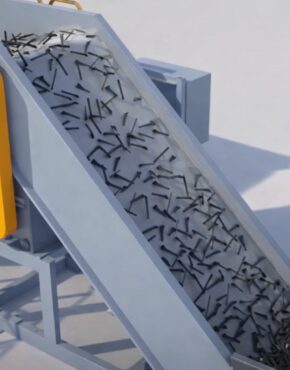
Mechanical cleaning with sand blasting in order to remove rust, oil or old coating to provide a reactive steel surface to enable a metallurgical bond.
Degreasing
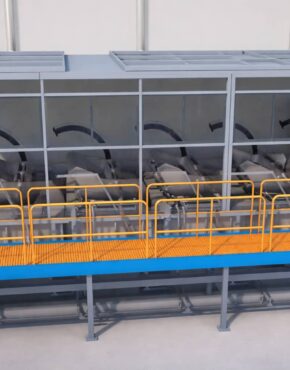
Oil and grease are removed in a special alkaline greasing bath and this will guarantee that no contaminants will be used to tamper with the quality of zinc bonding.
Rinsing & Pickling
Rinsing and taking the place of oxides and mill scale with acid pickling are done comprehensively to develop an ideal surface on which a zinc-iron alloy layer can be formed.
Fluxing
Flux solution averts re-oxidation and encourages wetting to ensure that molten zinc moves evenly across all surfaces during hot-dip.
Drying
Controlled drying removes moisture before dipping, reducing zinc spatter and surface defects while ensuring stable immersion and better zinc bonding for a clean, even and uniform coating finish.
Hot Dip Galvanizing
Components are dipped in molten zinc at about ~445–455 °C. Zinc bonds metallurgically to steel to form a patina of zinc-iron alloys giving the steel corrosive resistance.
Centrifuge & Cooling
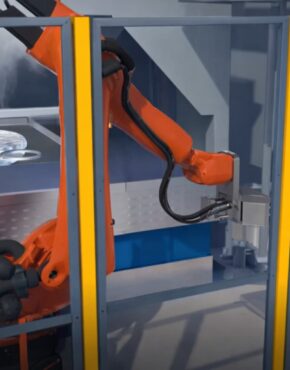
Immediately after the withdrawal, components are inserted into a perforated basket, and rotated at a process controlled RPM to remove the extraneous zinc on threads, edges and recesses. Stabilization of the coating is achieved through cooling.
Passivation
Optional passivation bath improves surface appearance and provides an extra layer of protection against early oxidation.
Packaging & Quality Control
We check coating thickness (µm), bonding, and visual consistency. We offer batch reports and third party tests on request. The parts are then packed and labeled and shipped.
Technical Specifications
Controlled Spin galvanizing parameters for consistent, long-life protection.
| Parameter | Specification |
|---|---|
| Coating Material | Zinc (≥99.995% purity) |
| Typical Coating Thickness | 40–85 µm (customizable per specification) |
| Temperature Control | 445°C – 455°C |
| Centrifuge Speed | 500–1,500 RPM (depending on part size and weight) |
| Adhesion Test | Compliant with ASTM A123 / A153 |
| Corrosion testing | Salt spray (ASTM B117) on request |
| Surface Finish | Smooth, uniform, thread-safe |
| Environmental Standard | ISO 14001 aligned practices, low zinc waste system |